Why Water Management in Hydroponic NFT Systems Is More Complex Than It Looks
In this article, we look at NFT hydroponic water management from a practical, commercial point of view: how to control flow rate, water temperature, pH and EC in recirculating NFT systems so that crops stay uniform, roots remain healthy and disease pressure is kept under control across the whole growing season.
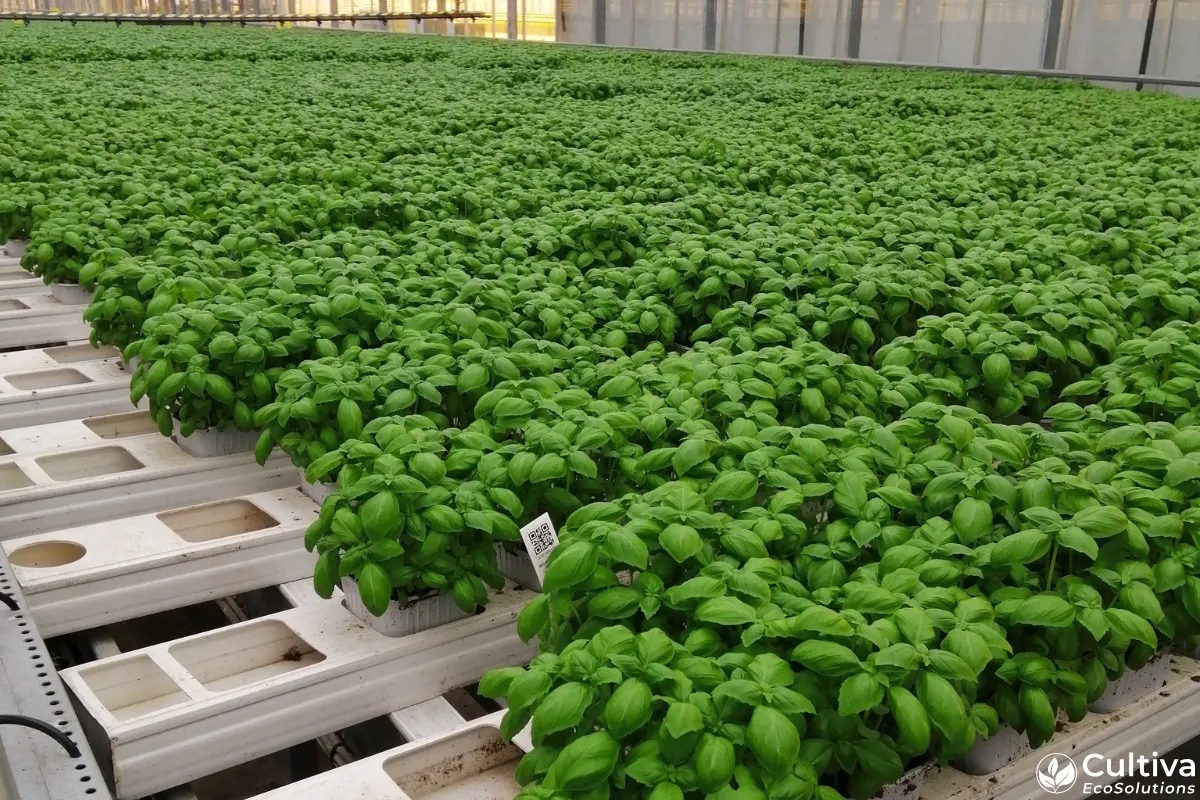
Effective water management in NFT (Nutrient Film Technique) hydroponic systems begins with recognizing that the system’s apparent simplicity can be misleading. Although the water film looks light and continuous, small deviations in flow, temperature or nutrient concentration can quickly impact the entire crop. NFT channels respond rapidly to micro-scale changes because roots interact directly with a shallow, flowing nutrient solution; this makes the system efficient, but also more sensitive to fluctuations.
Key points at a glance for NFT water management:
- Target water temperature of around 18–22 °C for most NFT crops, with particular attention to winter NFT water management when root metabolism and disease resistance are under pressure.
- Maintain pH roughly between 5.5 and 6.2 and adjust EC to crop, stage and light level so the nutrient solution matches real plant demand instead of staying on a “fixed recipe”.
- Ensure a continuous, shallow nutrient film and good oxygen availability across channels, especially in commercial NFT herb production and leafy-green systems where small flow differences quickly translate into uneven growth.
- Run a regular cleaning and sanitation program to control biofilm, salts and debris , keeping hydraulic stability and reducing system-wide spread of root pathogens.
External weather conditions add another layer of complexity. Even in controlled environments, shifts in outdoor temperature and humidity influence internal microclimates, especially in greenhouse or semi-protected setups. These changes affect water temperature, root-zone oxygenation, pathogen activity, and evapotranspiration rates. For growers operating in climates with strong seasonal variability, maintaining consistent water conditions requires continuous attention instead of a set-and-forget approach.
In commercial hydroponic NFT houses, this type of instability often appears first as a modest 5–10 % variation in marketable yield; for an operation with yearly crop turnover of around €250,000–€300,000, that can quietly remove €12,500–€30,000 from the balance sheet without any single, dramatic “failure event.”
Nutrient Delivery and Flow Rate Precision in NFT Channels
Flow rate is one of the most important parameters regulating nutrient delivery in NFT systems. When water moves too quickly through the channel, roots may receive nutrients but have insufficient contact time for efficient uptake. Conversely, when flow is too slow, nutrients can accumulate unevenly, affecting the ionic balance and creating localized zones of higher EC. Both scenarios reduce nutrient-use efficiency and increase the risk of physiological stress.
A stable and calibrated flow rate ensures that nutrients remain well distributed and accessible across the entire root mat. Practical observation is essential: pale new leaves, marginal burn, or inconsistent growth between channel positions may signal flow-related imbalances. Maintaining uniformity across channels and ensuring uninterrupted circulation are core components of consistent plant performance, particularly in large-scale NFT facilities.
Over multiple cycles, even a relatively small 5 % lag in growth or quality between parts of the system can add up to the equivalent of one full production cycle lost every 20 cycles, which in practice means sacrificing several weeks of potential revenue over the course of a year.
Oxygen Availability and Root-Zone Dynamics in NFT Water Films
Roots in NFT systems depend on a finely balanced layer of water that allows oxygen to diffuse freely while still delivering nutrients. If the water layer becomes too deep due to slow flow, pump variability, or channel leveling issues, the system risks shifting toward anaerobic conditions. These low-oxygen environments reduce metabolic efficiency, limit nutrient uptake, and create ideal conditions for root pathogens to colonize weakened tissues.
Maintaining oxygen availability requires more than simply keeping channels shallow. The interaction between flow speed, water temperature and root density determines actual dissolved oxygen (DO) concentration in the nutrient film. Warmer water holds less oxygen, while heavy root mats can restrict water movement and create localized depletion zones. Regular inspection of channels, combined with consistent leveling and root-mass management, helps keep the oxygen–nutrient balance within a healthy range.
Water Temperature in NFT Hydroponic Systems and Its Impact on Plant Health
Water temperature plays a central role in hydroponic physiology. The ideal range of 18–22°C supports root metabolism, nutrient uptake, and the plant’s ability to respond to biotic and abiotic stress. Deviations outside this range—especially during winter—can lead to significant reductions in growth rate, even when pH, EC, and flow appear correct.
Recommended NFT Water Temperature Ranges and Plant Responses
| NFT Water Temperature Range (°C) | Root-Zone & Plant Response in NFT Hydroponics |
|---|---|
| Below 16 °C | Strong cold stress on roots, slow nutrient uptake and reduced metabolism. Plants become more susceptible to water-borne pathogens such as Pythium and Phytophthora, especially where dissolved oxygen is already limited or hygiene is imperfect. |
| 16–18 °C | Suboptimal but stable; plants grow, but NFT systems show lower vigour and less efficient nutrient-use compared with the ideal range, particularly when combined with low light and high humidity. |
| 18–22 °C | Target range for most NFT crops: balanced root respiration, good oxygen availability, efficient nutrient uptake and stronger resistance to root diseases. |
| 22–24 °C | Acceptable in warm periods; faster metabolism but declining dissolved oxygen, making sensitive crops more prone to stress and opportunistic root infections if flow and hygiene are not well managed. |
| Above 24 °C | High risk zone: low dissolved oxygen, higher pathogen pressure and more frequent wilting or root damage in NFT hydroponic systems, particularly when organic load and biofilm are already present in the recirculating solution. |
Cold nutrient solution is particularly problematic for the plant. When temperatures drop, the root system becomes less efficient and natural defence mechanisms weaken, so plants show reduced resistance to infection. Many water-borne pathogens such as Pythium and Phytophthora are favoured by low-oxygen, poorly circulated solution, which can occur at both cold and warm extremes. In practice, the most severe outbreaks often coincide with a combination of stressed roots (from cold or heat), low dissolved oxygen and existing inoculum in the system.
In NFT houses where energy costs restrict heating or cooling, both winter and summer production demand a balance between energy efficiency and maintaining a temperature envelope that keeps roots physiologically active and well oxygenated. Allowing nutrient solution to drift too far below or above the ideal range quietly increases disease pressure even when pH and EC appear correct.
Root Pathogens in NFT Systems: Why Low Water Temperatures Increase Risk
Pathogens spread rapidly in NFT systems due to the continuous recirculating water film that moves between plants. Once a pathogen enters the system—whether from infected plant material, tools or water—it can move through the channels with minimal resistance. Deviations from the ideal water-temperature range intensify this risk because stressed plants are less capable of maintaining strong root-barrier defences, especially when dissolved oxygen is low. Under these conditions, root rot problems become more frequent and harder to stop once established.
Many Pythium spp. proliferate in oxygen-poor nutrient solution, often under conditions where water temperature and organic load are high relative to air movement and hygiene standards, while others tolerate cooler films. In practice, serious outbreaks are usually linked to a combination of low dissolved oxygen, organic deposits and roots already weakened by cold or heat stress. Phytophthora thrives when water stagnates or when poorly oxygenated layers develop, and Rhizoctonia solani can become more aggressive in humid, cooler environments, attacking the root collar and lower stem. Maintaining stable temperatures and high oxygen availability is therefore an essential preventive strategy, not just a performance optimisation measure.
Monitoring pH, EC and Water Quality in NFT Hydroponic Systems
Maintaining stable pH and EC levels is essential for sustaining nutrient availability and preventing ionic stress. NFT systems react quickly to changes in plant uptake patterns, environmental conditions, and water quality. As a result, static nutrient recipes are rarely effective for long periods. Instead, growers must monitor the parameters daily—sometimes multiple times per day under dynamic conditions.
Practical NFT Monitoring Checklist: pH, EC and Water Parameters
| NFT Parameter to Monitor | Typical Target & Recommended Frequency in Commercial NFT Systems |
|---|---|
| pH of nutrient solution | Keep within approx. 5.5–6.2 for most leafy and herb crops. Check at least 1–2 times per day, more often when weather or crop load changes quickly. |
| EC (electrical conductivity) | Adjust according to crop, stage and light (e.g. lower EC in low light). Measure 1–3 times per day and compare supply EC with return-line EC to detect imbalances. |
| Water temperature | Aim for around 18–22 °C. Log minimum and maximum values daily; investigate prolonged periods below 16 °C or above 24 °C as potential risk zones for root stress. |
| Flow rate / circulation | Verify that channels receive a stable, continuous film without stagnant sections. Check visually several times per day and after any power cut, filter cleaning or pump adjustment. |
| Visual root and leaf condition | Inspect roots and canopy at least once per day for early signs of pH/EC problems: pale new leaves, marginal burn, brown or slimy roots or uneven growth along channels. |
| Salt and biofilm build-up | Look for deposits, slime or narrowing in channels and tank surfaces during weekly checks. Plan cleaning or partial system sanitation before restrictions affect flow and root-zone oxygenation. |
A structured monitoring routine ensures that nutrient concentrations remain aligned with crop demand. Consistent adjustments prevent the accumulation of salts, maintain root-zone equilibrium, and allow the grower to detect early signs of imbalances before they affect plant health. pH drift, EC spikes, or sudden shifts in temperature often indicate underlying issues with flow consistency, concentration, or root metabolism, making regular measurement a foundational practice.
Cleaning and Sanitation in NFT Systems to Prevent System-Wide Pathogen Spread
Sanitation is one of the most critical aspects of NFT management. Because water flows through each channel in sequence, any pathogen, biofilm fragment, or debris can be transported across the entire production area. Regular cleaning prevents the buildup of organic matter and helps maintain the hydraulic stability needed to ensure consistent flow and oxygenation.
A preventive sanitation program typically includes channel inspection, removal of plant residues, periodic disinfection, and monitoring for biofilm accumulation. Even minor obstructions can alter flow patterns, create anaerobic pockets, and increase disease risk. Maintaining clean lines and stable hydraulic performance supports healthier roots and reduces the likelihood of system-wide outbreaks.
Key Takeaways for NFT Water Management in Hydroponic Production
Effective water management in NFT systems requires a continuous understanding of how flow rate, oxygen availability, nutrient concentration, temperature, and sanitation interact. These variables rarely operate independently; instead, they form an integrated system that directly influences plant performance and disease pressure. Growers who recognize these dynamics can maintain healthier crops, reduce stress, and sustain productivity across seasons.
From a financial perspective, the risk is often not a single catastrophic loss, but a steady erosion of margins: an extra 5–10 % of plants downgraded in quality, slightly shorter cycles, or more frequent replanting that quietly compounds over dozens of harvests.
For operations that require deeper diagnostic insight, independent evaluation or tailored strategies, engaging with experienced specialists can provide clarity and operational stability. Cultiva EcoSolutions support growers with technical assessments, root-zone analysis, hydroponic system optimization and climate-sensitive advisory. This expertise can help ensure that water management decisions translate into healthier systems and more predictable production outcomes.
What you get from an NFT audit:
- Diagnosis of key water/flow/temperature bottlenecks
- Practical parameter ranges and routines for your system
- Estimated impact on yield and downgrade %

Frequently Asked Questions About Water Management in NFT Hydroponic Systems
Water management in NFT hydroponic systems is critical because a shallow, recirculating nutrient film reacts very quickly to changes in flow, temperature and nutrient concentration. Small deviations immediately affect oxygen availability, nutrient uptake and pathogen pressure across the whole crop, leading to yield variation, more downgraded plants and hidden financial losses over multiple production cycles.
Most NFT crops perform best when water temperature stays around 18–22 °C. In this range, roots maintain good metabolism, oxygen status and disease resistance, even in winter. Prolonged periods below about 16 °C or above 24 °C increase cold or heat stress, slow growth and raise the risk of root diseases such as Pythium and Phytophthora, especially when dissolved oxygen is low or biofilm has built up in the system.
Poor NFT water management often shows first as uneven growth along channels, pale new leaves, marginal leaf burn or wilting despite apparently correct pH and EC. Brown, slimy or poorly developed roots and higher incidence of root diseases indicate problems with flow uniformity, oxygen availability, water temperature or nutrient balance in the recirculating solution and should trigger a full system check.
In commercial NFT hydroponic systems, pH and EC should be checked at least once or twice per day, and more frequently under rapidly changing weather or crop load. Many leafy and herb crops perform well around pH 5.5–6.2, with EC adjusted to crop, stage and light level. Comparing supply EC with return-line EC helps detect imbalances and emerging nutrient issues early.
Regular cleaning and sanitation reduce root diseases in NFT hydroponics by removing biofilm, plant residues and debris that disturb flow and carry pathogens through the channels. A preventive program with routine inspections, periodic disinfection and timely removal of organic matter maintains hydraulic stability and oxygen availability, lowering pressure from Pythium, Phytophthora and Rhizoctonia in recirculating systems.
The exact flow rate in NFT channels depends on bench length, crop and system design, but the key is to maintain a continuous, shallow nutrient film without stagnation or overflow. In practice, growers look for a film that just covers the root mat and returns steadily to the tank; if you see dry channel sections, pulsing flow or very deep water layers, the flow rate and leveling should be checked and adjusted.
In most NFT hydroponic systems, the water layer should be very shallow so roots sit in a thin film of nutrient solution while still having access to air. A film that is too deep reduces dissolved oxygen (DO) and increases the risk of root rot, while a film that is too thin or intermittent leaves parts of the root system dry. Visually, aim for a stable sheet of water just covering the channel bottom and lower roots along the full length of the bench.