Introduction: Native Maize (Landraces) and Genetic Erosion
Just a century ago, agricultural systems in Mexico, India, Italy and Paraguay relied on a high level of crop biodiversity. Native varieties, precisely adapted to local agroecological conditions, were preserved and passed down through traditional farming knowledge systems. Maize existed in hundreds of phenotypes — white, red, deep purple — forming the backbone of food security and crop resilience.
Native maize varieties—often called landraces—are disappearing through genetic erosion as uniform hybrids replace them9. This article explains why that matters for resilience, nutrition, and seed sovereignty in Mexico and Paraguay.
Over the past few decades, agriculture has faced an alarming trend: the rapid disappearance of local crop varieties, including native maize. This genetic diversity is vanishing worldwide, marking an accelerating process of genetic erosion. The main driver is the homogenization of crops, fueled by a high-yield, genetically uniform farming model. Globalized agriculture, the dominance of hybrid varieties and yield pressure are displacing native seeds and threatening our shared food future.
“It is estimated that there are around 400,000 plant species in the world, of which 50,000 to 300,000 are considered edible for humans. In practice, however, people regularly consume only about 150 to 200 plant species 1 .”
World Economic Forum (WEF)
| Category of Edible Plants | Estimated Number of Species | Share in Global Diet (%) | Dominant Region | Risk of Genetic Erosion |
|---|---|---|---|---|
| All known plant species | approx. 400,000 | — | Global (especially tropical regions) | High |
| Plants considered edible | 50,000–300,000 | — | Global | High |
| Regularly consumed by humans | 150–200 | — | Africa, Latin America, Asia | High |
| 12 major cultivated plant species | 12 | approx. 75% | Global, especially Global North | Medium / High |
| 3 dominant species (rice, wheat, maize) | 3 | approx. 60% | Asia (rice), Americas (maize), Europe (wheat) | Medium (due to reliance on commercial varieties) |
| Regionally important local crops | approx. 7,000–10,000 | <5% | West Africa, Andes, Pacific Islands | Very High |
| Wild and semi-domesticated edible plants | thousands | marginal | Natural areas and Indigenous communities | Extremely High |
In Mexico and Paraguay, native maize — once widely cultivated by Indigenous communities and smallholder farmers in almost every region of the country — has been largely displaced by commercial hybrid varieties. This shift has not only reduced the available genetic base of crops but has also led to the erosion of traditional agricultural knowledge, local farming practices and the deep cultural significance maize once held for many communities.
The dominance of hybrids, offering uniform traits, has made fields increasingly similar not only in appearance but also genetically. This apparent efficiency comes with serious long-term risks.

The high resilience of local maize varieties to environmental stress, pathogens and pests is the result of long-term genetic selection and epigenetic mechanisms. For generations, farmers selected plants best adapted to local conditions, which led to the development of naturally reinforced resistance. Plants activate so-called stress-response genes, and their epigenetic “memory” enables their offspring to respond more rapidly to familiar stress factors — a phenomenon known as epigenetic stress memory.
The loss of biodiversity is not only an agronomic issue but also a cultural one. Each local variety represents centuries of farmer-led selection that considered taste, color, texture, as well as social and spiritual symbolism. In the case of maize — particularly important to the civilizations of Latin America — the disappearance of a specific variety also means the loss of a piece of the identity of the communities that cultivated it.
In the face of accelerating agrobiodiversity erosion, the efforts undertaken by institutes dedicated to the documentation, characterization and preservation of local maize genetic resources are of fundamental importance — both scientifically and civilizationally. They form a cornerstone of strategies to safeguard biological and cultural heritage, the loss of which would break the generational continuity of knowledge deeply rooted in the practices of local communities.
It is precisely these communities that, over centuries, developed sustainable resource management systems based on respect for the land, the cyclical rhythms of nature and biodiversity as the foundation of resilient and enduring food systems.
In the face of biodiversity loss and the erosion of generational knowledge, the goal of this work is to show that native varieties can be not only a symbol of the past but also a lifeline for the future of our food system.
Dr. Emilia Mikulewicz, CEO of Cultiva EcoSolutions
Genetic Erosion of Maize: Scale and Consequences
Crop Homogenization: How Hybrids/GM Displace Native Landraces
Despite their high nutritional value, adaptability and cultural significance, native maize varieties are disappearing at an alarming rate around the world. This is a complex, multifactorial process that reflects a global trend of marginalizing local food systems in favor of uniform, industrial models of agriculture10.
One of the main drivers of this displacement is the rapid expansion of hybrid and genetically modified varieties designed for large-scale, intensive cultivation. While these varieties deliver high and stable yields, they also require intensive agronomic inputs — heavy fertilization, chemical protection and the annual purchase of seeds. In contrast, local varieties, despite their strong resilience and genetic diversity, do not meet the strict uniformity and market standards of industrial supply chains, which limits their position in standardized agricultural markets.
“Food sovereignty is the right to define our own food systems, determining what we eat and how it is produced, ensuring it serves our communities 6 .”
Nyéléni Declaration on Food Sovereignty (2007)
Epigenetic Memory in Plants
Although plants lack a nervous system, they possess the ability to “remember” environmental stresses through epigenetic mechanisms. Changes in gene expression triggered by factors such as drought or pathogens can be passed on to the next generation, increasing its resilience. This is the result of environmental selection, where organisms adapted to local conditions transmit “survival instructions” to their offspring. In the context of climate change and the need for more sustainable agriculture, harnessing this form of plant memory is becoming essential for breeding resilient crop varieties without the need for genetic modification 11 12 .
How it works: stress cues can leave heritable marks via DNA methylation, histone modifications and small RNAs, priming faster or stronger responses in progeny.
Loss of Seed Sovereignty, Knowledge, and Culture
With the expansion of the commercial seed market, local and informal seed exchange systems — based on farmer-to-farmer sharing, on-farm selection, and storing seeds from previous seasons — have collapsed. Seed commercialization has caused many producers to lose their seed sovereignty, as traditional practices were replaced by the one-time purchase of external seed material that is not intended for further propagation.

This raises a crucial question: Why are farmers abandoning native varieties?
Although native varieties are often more resilient, they do not deliver comparable yields in intensive production systems without significant agronomic support. Moreover, agricultural systems primarily favor commercial production and offer few programs for the conservation and selection of local varieties. Products derived from native seeds rarely reach mainstream retail channels, as processing is heavily centered on standardized, uniform crop varieties.
“My father always grew avatí morotĩ. We used to save and exchange seeds — it was part of the season. Now the new hybrids are everywhere, and they’re good in their way. But the old corn had a taste and a story that’s hard to find today.”
Tadeusz Nita, Farmer, Itapúa Department, Paraguay
With the passing of the older generation, not only the seeds disappear but also the memory of their characteristics, storage methods, cultivation cycles and culinary uses. This is an irreversible process unless concrete actions are taken to preserve this knowledge in practice.
What are Native Maize Landraces? Definition, Traits, Uses
The cultivation of native maize dates back to pre-colonial times, when Indigenous communities selected and propagated different plant varieties, adapting them to local climates and cultural needs. Maize, as a staple crop in their diet, played a role not only in daily nutrition but also in rituals, mythology and social traditions.
Over time, the cultivation of maize was adopted and further developed by smallholder farmers (campesinos), who for generations carried out informal selection, preserving and replanting seeds from the best plants. This process led to the emergence of dozens of local varieties — known as nativas or criollas — which differ not only in color and flavor but also in their chemical composition and environmental resilience.
Pre-Colonial Roots and the Cultural Role of Maize
Since pre-colonial times, maize has played not only an agricultural but also a ritual and cosmological role in the cultures of Indigenous peoples of Latin America. These communities carried out traditional selection of varieties, adapting them to both environmental and symbolic conditions. This heritage was continued by campesinos, who preserved and strengthened the diversity of local maize forms as an integral part of cultural identity and agricultural practice.

Phenotypic and Nutritional Diversity of Native Maize
Native maize varieties cultivated in Latin America are characterized by remarkable phenotypic and chemical diversity, making them a valuable genetic resource. Kernel color can range from snow-white, cream and yellow to red, purple and dark brown.
The avatí morotĩ (white maize) variety is valued for its mild flavor and wide use in traditional cuisine. The Mexican cacahuacintle, with its large white kernels, is used to prepare pozole—a national dish with deep cultural significance. In the Andes, kulli maize stands out for its intense purple color, rich in anthocyanins, and is appreciated for its health-promoting properties. The choclo type, also grown in Andean regions, produces large, juicy kernels often eaten fresh.
Popcorn maize develops smaller, hard kernels ideal for popping, while varieties like avatí chipa are distinguished by their high fat and protein content, giving them a characteristic, rich flavor.
The Importance of Agrobiodiversity for Modern Needs
It is important to emphasize that this biological potential translates directly into nutritional value, flavor diversity and culinary and technological applications. Native maize not only preserves local heritage but also meets contemporary needs such as healthy, minimally processed food, diversified diets and adaptation to changing climate conditions.
Science Confirms the Potential of Local Varieties
Data collected from different regions of the world confirm the exceptionally high genetic variability of native maize varieties, both in terms of nutritional composition and morphological traits. Research conducted across diverse agroecological conditions—from mountainous areas to lowlands, in various soil types and farming systems—shows that local environmental factors and agronomic practices have a significant impact on the quality and nutritional value of the grain.
Regional Variability and Chemical Analysis
| Parameter | GM (genetically modified) maize (typical) | Native maize (landraces, range) |
|---|---|---|
| Protein (% dw) | ≈ 8–10% 2 4 5 | 8.68–12% 3 |
| Fat (% dw) | ≈ 3–4% (no significant fatty-acid profile differences) 2 4 5 | up to 8.03% 3 |
| Starch (% dw) | ≈ 60–70% 2 4 5 | 50.9–64.9% 3 |
| Dietary fiber (% dw) | ≈ 5–9% 2 4 5 | 5.21–11.2% 3 |
| Mineral composition | No consistent differences vs. conventional comparators 2 4 5 | Fe up to ~3× reference values (variety-dependent) 3 |
| Notes. GM values summarize compositional equivalence assessments of approved commercial events grown under conventional management 2 4 5 . Native ranges reflect diversity across landraces reported in multi-environment sampling 3 . Values vary with genotype, environment, agronomy and analytical method; this is a scope overview, not a head-to-head trial. | ||
The comparison of the nutritional composition of transgenic and native maize shows that both groups have similar average levels of protein, fat, starch and fiber. However, native maize exhibits much greater diversity — some of its varieties contain higher amounts of protein, fat, fiber and iron than typical commercial varieties. This diversity highlights the significant potential of native varieties to enhance nutritional value and preserve genetic resources. Such diversity will play an important role in nutrition, public health and the future of agriculture.

Scientific research leaves no doubt that native maize varieties are not only a part of cultural heritage but also a strategic resource for the future of agriculture. Their unique quality traits, high nutritional value and environmental adaptability make them an ideal foundation for developing climate-resilient farming systems.
Why Are Native Varieties Disappearing?
Over the past few decades, the global agricultural system has shifted from diversity to the dominance of a few genetically uniform varieties, pushing local populations out of the farming landscape. Native varieties are disappearing not because they are less valuable, but because they do not fit into the logic of industrial agriculture based on standardization and intensification.
Commercialization of Seeds and Farming Systems
The development of modern seed systems has led to a gradual replacement of traditional varieties with hybrids and GMOs, which provide high yields but require annual seed purchases and more intensive agronomic inputs. This shift has encouraged many producers to rely on advanced technologies to remain competitive, which can reduce seed independence and on-farm flexibility. As a result, traditional systems of local seed selection and exchange have been increasingly replaced by more uniform, market-oriented production models.

Decline of Local Seed Systems
The expansion of the commercial seed market has led to the decline of community-based seed exchange systems, which were built on trust, generational knowledge and local selection practices. As farmers lose access to their own seed material, they also lose a degree of biological independence and become more reliant on external suppliers. With each variety lost, a part of local knowledge, farming practice and agricultural identity disappears as well.
Lack of Systemic Support
Native varieties are also disappearing due to the absence of structured programs for their protection, selection and integration into modern production models. Often marginalized in processing and trade, they struggle to find a place within standardized supply chains. At the same time, the growing global interest in regenerative agriculture and permaculture creates a real opportunity for their return as a key component of sustainable food systems.
Hybrids/GM vs. Native Landraces: Quick Trade-Offs
- Hybrids/GM: yield and uniformity for mechanized, input-intensive systems; narrower genetic base; recurring seed/input costs.
- Landraces: broader genetic diversity, local adaptation, cultural/culinary value; variable uniformity/yield; better fit in low-input or diversified systems.
Science and Practice for Heritage Preservation
In response to the ongoing erosion of agrobiodiversity, many scientific organizations and international institutions — including CIMMYT (International Maize and Wheat Improvement Center), FAO (Food and Agriculture Organization of the United Nations), Bioversity International, CGIAR, the Slow Food Foundation for Biodiversity and the Svalbard Global Seed Vault — are developing recommendations and implementing actions to protect and restore traditional maize varieties around the world.
The success of these initiatives requires not only advanced research infrastructure but also political will, community engagement and respect for the cultural and historical foundations of local agricultural systems.
Documentation and Research of Local Varieties
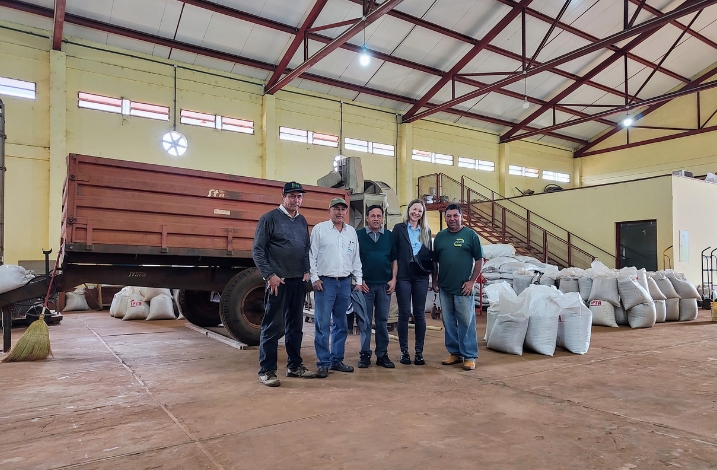
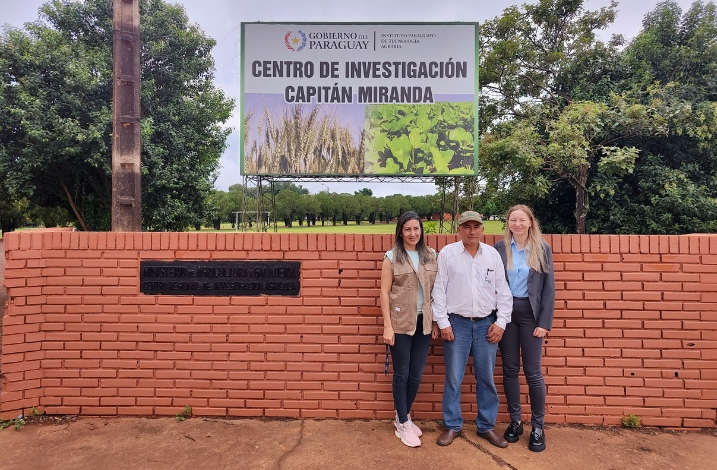
Expanding research on the quality and genetic diversity of native varieties is an essential step. Without comprehensive documentation, it is impossible to identify which varieties hold the greatest functional and adaptive value. Equally important as chemical analysis is understanding the cultural context: who cultivated these varieties, for what purpose, and which rituals and dishes were associated with them. Only by doing so can we preserve not just the maize itself but also the history of the people who created it.
Supporting Smallholder Farmers and Communities
Preserving agrobiodiversity cannot be limited to passive seed conservation in gene banks. While these repositories have undeniable scientific value, true biological diversity lives in the field — adapting and evolving in the hands of farmers. Modern agriculture has displaced the farmer’s traditional role as a selector and custodian of local knowledge. Yet it is precisely this generational knowledge and preserved farming practice that form an indispensable foundation for any effective genetic heritage conservation strategy.

To ensure the continuity of local variety cultivation and enable their effective adaptation to modern challenges (such as soil degradation and food security risks), it is essential to provide systemic support for smallholder farmers and Indigenous communities, focused on four priority areas:
-
Agroforestry and Agricultural Landscape Regeneration
Agroforestry systems, which combine trees, shrubs and crops, are among the most effective tools for restoring soil fertility, increasing functional biodiversity and improving crop microclimates. Integrating local maize varieties into agroforestry systems promotes ecological synergy, enhances water retention and helps restore balance in agroecosystems weakened by production intensification.
-
Eco-Fertilization and Farm Biological Autonomy
Supporting farmers in eco-fertilization techniques — including green manures, plant-based ferments and composting of organic residues — reduces dependence on synthetic fertilizers and strengthens the resilience of production systems. These practices not only support soil health but also allow the full genetic potential of local maize varieties to be expressed, as they thrive in lower-input environments.
-
Access to Local Markets and Short Value Chains
A key condition for maintaining native varieties in production is ensuring small producers have access to fair sales channels that reward diversity. Local markets, processing cooperatives, heritage-based gastronomy, community-supported agriculture (CSA) and agro-ecotourism initiatives are effective tools for building local value chains. This is where “chipa” maize, popcorn maize and red Avati pytã can find a market niche and become symbols of high quality and regional identity.
-
Experimental Fields and Citizen Science
Field trials and comparative testing are fundamental tools of applied research, enabling precise evaluation of varietal adaptability under specific agroecological and technological conditions. It is essential to conduct these studies in close collaboration with farmers, who hold valuable knowledge of local genotypes. Their participation in participatory breeding increases the accuracy of variety selection and strengthens the potential for durable, locally grounded implementation.
Agrobiodiversity & Food security: Why Native Maize Matters
Crop biodiversity is one of the key pillars of food security. Its significance goes far beyond botanical or agronomic aspects — it encompasses consumer health protection, the stability of agricultural production systems and the integrity of local ecosystems.

Health and Nutritional Benefits
The genetic diversity of plant varieties directly translates into a complex nutritional profile, encompassing varying levels of protein, fat, starch, vitamins, micronutrients, bioactive phytochemicals and fiber. Nutritional biodiversity helps reduce the risk of lifestyle-related diseases such as diabetes, hypertension and micronutrient deficiencies. From a food security perspective, diversity strengthens the resilience of supply chains and their flexibility in times of disruption — including wars, climate crises and pandemics.
Food System Resilience
In the face of accelerating change and increasing frequency of extreme events such as droughts, heat waves and emerging pathogen pressures, systems based on local varieties demonstrate higher structural resilience. Their adaptive flexibility — including tolerance to environmental stress and low resource availability — forms the foundation of food system stability. Practices such as polycultural farming (e.g., maíz–mandi’o–kumanda) strengthen natural self-regulation mechanisms, improve water retention and reduce pathogen pressure, supporting the regeneration of agricultural environments.
Environmental Benefits
Traditional crop varieties grown in low-input systems — often without the use of herbicides, pesticides or synthetic fertilizers — have a lower environmental impact and align well with the principles of agroecology. They help protect soil quality, groundwater and the functional biodiversity of agroecosystems, including wild pollinator populations, beneficial organisms and the soil microbiome.
Economic Potential of Native Maize: Markets, Funding, Breeding
-
Local Processing and Regional Cuisine
Native maize varieties possess unique characteristics that make them particularly attractive raw materials for the food processing industry. Their distinctive aromas and wide range of colors translate into rich culinary potential.

🖼️ Image 10 — Native maize flour (harina de maíz nativo). Local processing underpins value-added foods such as chipa and sopa paraguaya, strengthening short value chains for landraces. At the market level, native varieties can become the foundation for product differentiation strategies in niche market segments built around authenticity, origin and cultural heritage. Their use in local gastronomy, agritourism and certified traditional products enables the creation of territorial brands and strengthens local economies based on intangible values such as identity, history and quality.

🖼️ Image 11 — Sopa paraguaya prepared with native maize by Paraguayan farmer Tadeusz Nita (Itapúa Department). Traditional recipes and local processing create value for landraces and strengthen regional food identity. -
Agroecotourism and Niche Markets
In a time of growing interest in sustainable lifestyles, authenticity and local products, native crop varieties are becoming a strategic asset for the development of agroecotourism and niche food markets. Their uniqueness goes beyond agronomic value — they are living carriers of cultural heritage, enhancing the attractiveness of regions as places of both production and culinary experience. For producers, this means access to more profitable market segments that are less exposed to price pressure and driven by quality, ethical and environmental criteria.
-
Sustainable Development and International Funding
Promoting and protecting native crop varieties aligns directly with the Sustainable Development Goals (SDGs), particularly Goals 2 (Zero Hunger), 12 (Responsible Consumption and Production) and 15 (Life on Land). At the same time, it is in line with the objectives of the European Green Deal, which promotes environmentally friendly agriculture, biodiversity and local food systems8.
Sustainable Development Goals referenced in this article: SDG 2 Zero Hunger; SDG 12 Responsible Consumption and Production; SDG 15 Life on Land.“Zero hunger encompasses more than just access to food—it includes the preservation of local crop varieties and the promotion of sustainable agriculture 7 .”
United Nations — Agenda 2030 (SDG 2: Zero Hunger)In the context of global climate and economic challenges, native crop varieties are becoming a key tool for achieving food sovereignty, providing local communities with resilience, independence and the ability to shape their own production models. Their significance as strategic assets also opens the door to financing from international funds, including climate instruments, UN programs and rural development mechanisms.
-
-
Modern Agriculture
Due to their rich genetic diversity, native maize varieties represent an invaluable source of resistance genes used in modern breeding. Their broad spectrum of variability includes traits related to resistance against fungal diseases (e.g., rust), pests (e.g., fall armyworm), and abiotic stresses such as drought, heat, flooding, and poor soils, making them highly adaptable.
Selected over centuries by local farmers in diverse environmental conditions, these varieties now form the foundation for developing stable, resilient breeding lines. For this reason, they are widely used both in modern breeding programs and in pre-breeding initiatives led by research institutions and gene banks such as CIMMYT, FAO and Bioversity International.
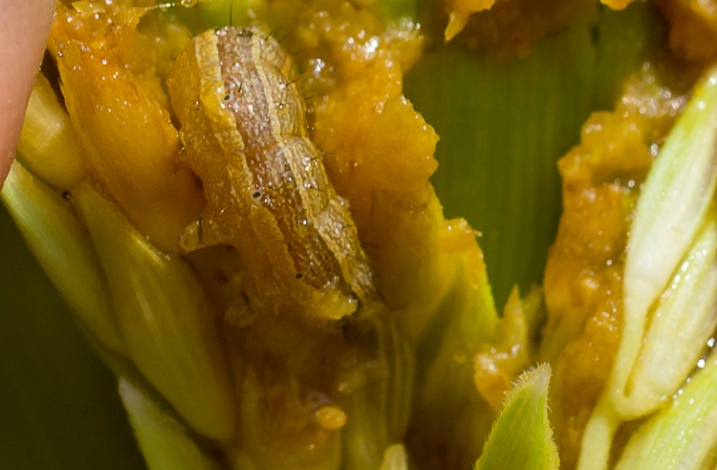
🖼️ Image 12 — Corn cob damaged by fall armyworm (Spodoptera frugiperda). Larval feeding destroys kernels and increases risk of secondary fungal infections — a key target for integrated pest management.


Context matters: in many commercial settings, modern hybrids/GM are the economical choice for yield stability and supply-chain fit. A complementary strategy—on-farm conservation of landraces, participatory pre-breeding, and targeted introgression of useful traits—helps capture those efficiencies while safeguarding diversity.
Conclusion
Old crop varieties represent a bridge between heritage and the future — a tangible reminder that agriculture can be both traditional and innovative. Their survival depends on conscious choices: from farmer education and support to the implementation of policies that protect genetic resources in situ.
This is a shared responsibility — of science, institutions and society. Today, in a context of industrialized agriculture and a concentrated seed market, local varieties are often marginalized as “non-marketable.” Yet it is precisely these local varieties that build resilience, quality and identity within food systems.
Shifting the narrative — from standardization toward respect for biodiversity — is not only necessary. It is urgent.
Frequently Asked Questions About Native Maize Landraces and Agrobiodiversity
Native maize landraces are locally adapted, farmer-selected maize varieties that have been preserved and replanted over generations. They are important because they carry high genetic diversity, unique colours and flavours, and strong adaptation to local climates and soils. This makes them a strategic resource for agrobiodiversity, climate-resilient breeding, healthier diets and culturally significant foods in regions such as Mexico and Paraguay.
Native maize is disappearing due to genetic erosion, the process where diverse local seeds are replaced by a narrow range of uniform hybrids and GM varieties. Industrial seed systems, annual seed purchases, strict market standards and weak support for traditional seed saving all push landraces out of fields. As diversity shrinks, farmers lose seed sovereignty, cultural knowledge and long-term resilience to climate and pest shocks.
Native maize landraces support food security by spreading risk across many locally adapted genotypes instead of relying on only a few uniform hybrids. Their broad genetic base includes tolerance to drought, heat, poor soils and pests such as Spodoptera frugiperda (fall armyworm), helping stabilise yields under climate change. Diverse local varieties also underpin resilient, low-input farming systems and more flexible food chains during crises.
On average, native maize and commercial or GM maize have similar basic composition, but landraces show a much wider nutritional range. Some native varieties contain higher protein, fat, fibre and iron than typical commercial maize. Their diverse kernel colours often reflect richer profiles of bioactive compounds such as anthocyanins, giving native maize strong potential for healthier, nutrient-dense and differentiated food products.
Farmers can conserve native maize landraces by continuing on-farm selection, saving and exchanging seeds, and integrating landraces into agroforestry and low-input systems. Community seed banks, participatory trials with researchers and gene banks (e.g. CIMMYT, FAO, national institutes), and short value chains for traditional foods like pozole, chipa or sopa paraguaya create real market demand. Policy support and SDG-aligned funding then help scale these conservation efforts.
References
- Warren, J. (2016). Why do we consume only a tiny fraction of the world’s edible plants? World Economic Forum . | View Source
- Flachowsky, G., Aulrich, K., Böhme, H. & Halle, I. (2002). Nutritive value of feeds from genetically modified plants. No. 1, Vol. 56, Archives of Animal Nutrition , pp. 1–27. 🌐 Language: | View Source
- Langyan, S., Bhardwaj, R., Kumari, J., Jacob, S. R., Bisht, I. S., Pandravada, S. R., Singh, A., Singh, P. B., Dar, Z. A., Kumar, A. & Rana, J. C. (2022). Nutritional Diversity in Native Germplasm of Maize Collected From Three Different Fragile Ecosystems of India. Vol. 9, Frontiers in Nutrition , Article 812599. 🌐 Language: | View Source
- EFSA Panel on Genetically Modified Organisms (GMO) (2024). Assessment of genetically modified maize DP51291 (application EFSA-GMO-NL-2021-171). EFSA Journal , 22(4):9059. 🌐 Language: | View Source
- Herman, R. A. & Price, W. D. (2013). Unintended compositional changes in genetically modified (GM) crops: 20 years of research. No. 48, Vol. 61, Journal of Agricultural and Food Chemistry , pp. 11695–11701. 🌐 Language: | View Source
- Nyéléni Forum for Food Sovereignty (2007). Nyéléni Declaration on Food Sovereignty. 🌐 Language: | View Source
- United Nations (n.d.). Sustainable Development Goal 2: Zero Hunger. United Nations Sustainable Development Goals . 🌐 Language: | View Source
- European Commission (2020). A Farm to Fork Strategy for a fair, healthy and environmentally-friendly food system. Communication from the Commission to the European Parliament, the Council, the European Economic and Social Committee and the Committee of the Regions (COM(2020) 381 final). 🌐 Language: | View Source
- Food and Agriculture Organization of the United Nations (FAO) (2019). The State of the World’s Biodiversity for Food and Agriculture. Rome: FAO. 🌐 Language: | View Source
- Khoury, C. K. et al. (2014). Increasing homogeneity in global food supplies and the implications for food security. Proceedings of the National Academy of Sciences (PNAS) , 111(11):4001–4006 . 🌐 Language: | View Source
- Iwasaki, M. & Paszkowski, J. (2014). Epigenetic memory in plants. The EMBO Journal , 33(18):1987–1998. 🌐 Language: EN | View Source
- Lämke, J. & Bäurle, I. (2017). Epigenetic and chromatin-based mechanisms in environmental stress adaptation and stress memory in plants. Genome Biology , 18:124. 🌐 Language: | View Source