Organic Farming Consulting to Improve Yields, Inputs, and Soil Health
At Cultiva EcoSolutions, our organic farming consulting services focus on boosting productivity, improving soil health, and supporting organic certification. Our experienced organic farming consultants provide clear strategies that protect natural resources, raise crop quality, and strengthen long-term profitability.
Organic Farming Strategies Designed for Long-Term Impact
At Cultiva EcoSolutions, we apply science-backed techniques to increase productivity, enhance soil function, and align with certified organic requirements. Each solution is developed through a structured review of your farm’s conditions, operational goals, and resource limits. This approach ensures steady gains in yield quality, regulatory compliance, and ecological balance.
Organic Certification Guidance
What It Is: A specialized consultancy to streamline your path toward recognized organic certifications.
Key Benefit: Achieve compliance faster, opening doors to premium markets and consumer trust.
Integrated Pest Management (IPM) Consulting
What It Is: A holistic strategy to tackle pests and diseases using natural, eco-friendly controls.
Key Benefit: Safeguard crops while adhering to organic standards and minimizing environmental impact.
Soil Health and Fertility Management
What It Is: A customized roadmap to improve and maintain rich, biologically active soil.
Key Benefit: Boost crop resilience, optimize yields, and lessen dependence on external inputs.
Crop Planning and Optimization
What It Is: A strategic framework to select and schedule crops for maximum productivity and resource efficiency.
Key Benefit: Reduce waste, increase profitability, and maintain ecological balance with targeted crop choices.
Hydroponic and Greenhouse Organic Cultivation
What It Is: Advisory on organic-compliant hydroponics and greenhouse systems for year-round, controlled production.
Key Benefit: Produce consistently high-quality organic crops regardless of climate challenges.
Ecological Sustainability Consulting
What It Is: A strategic plan to implement regenerative, zero-waste practices that protect ecosystems.
Key Benefit: Meet growing consumer and regulatory demands for sustainability while enhancing farm profitability.
Disease and Mold Management in Organic Systems
What It Is: Proactive and reactive strategies to identify, prevent, and tackle fungal outbreaks under organic standards.
Key Benefit: Reduce crop losses and maintain high-quality yields without resorting to harmful chemicals.
Farm Layout and Operational Efficiency
What It Is: High-level planning and optimization guidance for an efficient, productive organic farm setup.
Key Benefit: Enhance productivity and reduce operational bottlenecks with a well-structured, user-friendly layout.
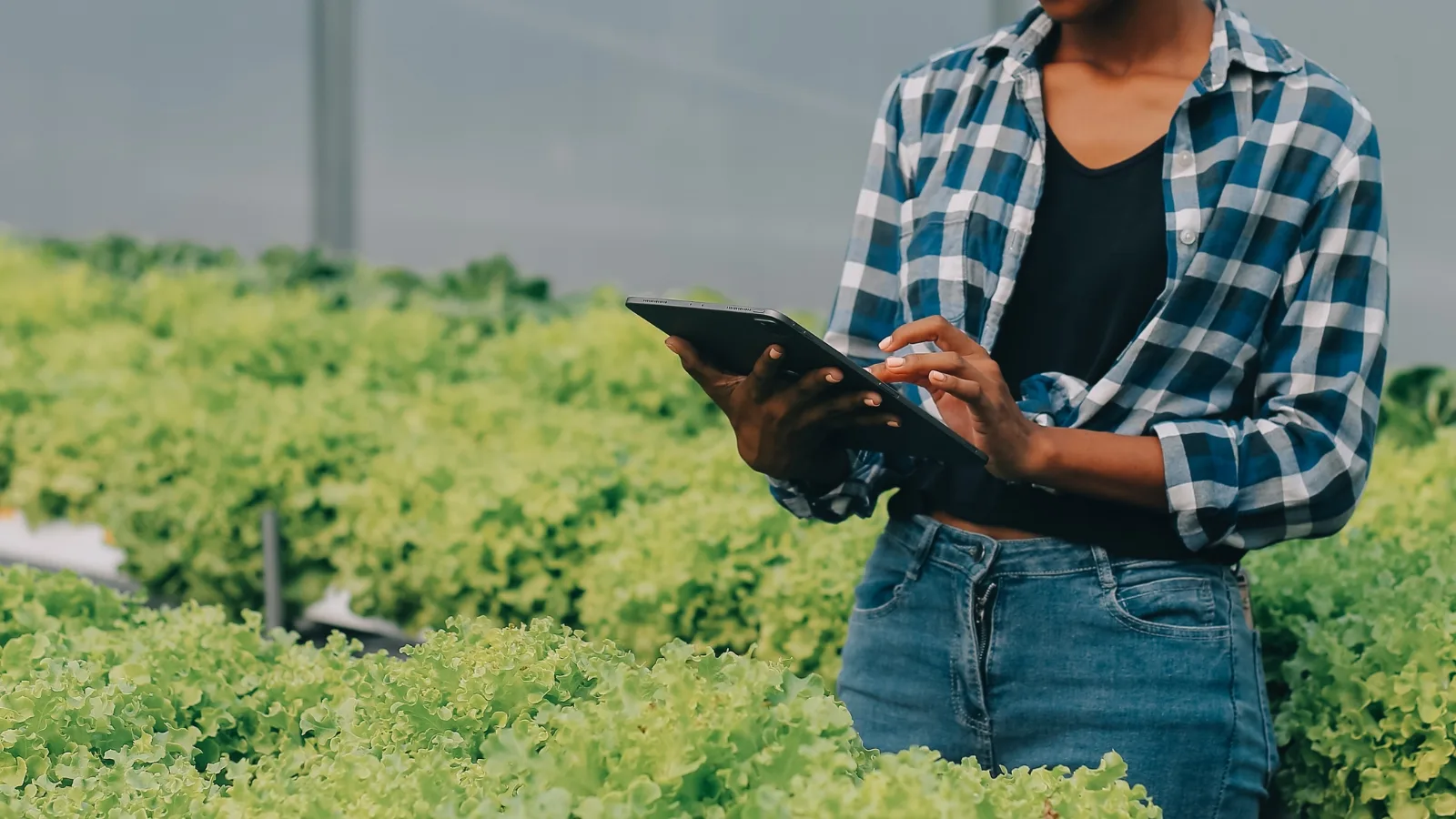
Data-Driven Farming and Technology Integration
What It Is: Comprehensive guidance on implementing precision tools, sensors, and analytics in organic farming.
Key Benefit: Leverage real-time data to enhance yields, maintain compliance, and optimize resource usage.
Real Solutions Backed by Science & Experience
Organic farming thrives when science and regenerative practice meet. At Cultiva EcoSolutions, our consultants combine field experience with advanced soil diagnostics and crop-specific strategies to improve productivity, achieve EU Organic, GLOBALG.A.P., or Regenerative Organic certification, and build long-term resilience. With clear steps, tailored plans, and continuous support, we help you grow healthier crops, reduce input dependence, and strengthen your farm’s future.
- Precision Agronomy
- Certification Confidence
- Regenerative Systems
- Blueprint Roadmap
Organic Farming Consulting Backed by Field Results & Expertise
Clear Steps That Boost Your Farm's Results
We remove vague terms and deliver focused, actionable guidance. Each step supports stronger plant health, efficient resource use, and better soil outcomes. Our advice is structured to improve both daily tasks and long-term farm success.
Farm Plans Aligned with Real Conditions
We create customized farm plans grounded in your soil conditions, crop selection, and local climate. Every strategy is backed by field trials, tailored to certified organic requirements, and designed to enhance soil function, crop productivity, and long-term farm resilience.
Solving Common Organic Farming Challenges
From pest pressure to low-yield specialty crops, we combine hands-on agronomy with proven solutions. We use biological controls, crop rotation, and targeted inputs to keep your organic farm productive and compliant.
Organic Farming Methods and Input Strategies to Enhance Your Production
Cultiva EcoSolutions delivers specialized organic farming consulting to help you enhance soil fertility, crop performance, and sustainable production. Our advisory services include organic input strategies, crop rotation, soil amendments, and integrated pest management tailored to your conditions. Whether you operate a small farm or a larger estate, we help you adopt proven methods that improve yields, reduce synthetic inputs, and support compliance with organic standards.
Precision Organic Input Systems & Audit-Ready Compliance
We create input programs that meet EU, NOP, and private-label organic standards. Seasonal calendars are built around certified nutrients, soft chemistries, and pre-audit documentation.
- 100 % certified input alignment with organic and retailer standards across the entire cropping cycle
- −25 % input redundancy through precision timing, zoning, and removal of non-essential products
- Full audit-readiness achieved 30 days before harvest
| Input Strategy KPI | Compliance Outcome |
|---|---|
| Certifier-approved organic input list by crop stage | Zero input-related non-conformities in organic audits |
| Application logs synced to ERP | Organic certification data pre-validated before inspection |
| Traceability files updated | Audit time reduced for inspectors and farm team |
| Performance depends on organic certifier protocols, retailer add-on requirements, baseline documentation quality, and adherence to approved input use. | |
Biological Fertility Programs with On-Farm Compost Integration
We design fertility programs focused on microbial efficiency, organic matter flow, and C:N balance. Composting stabilizes nutrient release and cuts external input use.
- Humus fraction ↑ +22 % in year two across mixed-vegetable systems
- External fertility costs ↓ −38 % using compost-based systems
- +0.3 % SOM accumulation per year on average

| Fertility Lever | Observed Effect |
|---|---|
| Compost application rate 7 t/ha | SOM gain +0.3 % yr⁻¹ |
| Biological index (CFU density) | ↑ Soil respiration +16 % |
| On-farm compost inclusion | N input ↓ −25 % |
| Outcomes depend on compost maturity, application method, and crop type. | |
Rotational Resilience & Functional Biodiversity Planning
We design rotation systems that align nutrient flow, pest suppression, and biodiversity corridors. Sequences are climate-matched, reduce biotic pressure, and meet certifier targets for ecological performance.
- +28 % yield stability in 3-year rotation vs monoculture baseline
- Soilborne pest pressure ↓ −33 % in mixed-species cycles
- Pollinator visits ↑ +41 % from flowering corridor integration

| Element | Measured Outcome |
|---|---|
| 3-species annual rotation | Yield variance ↓ –24 % |
| Floral biodiversity strips | Pollinator activity ↑ +40 % |
| Cover crop between-cycle integration | Soil nitrogen availability ↑ +19 % |
| Data reflect outcomes from mixed annual rotations and biodiversity strip integrations under transitional organic systems. Gains vary based on species selection, climate, and baseline system complexity. | |
Botanical IPM & Residue-Zero Crop Protection
Our botanical IPM strategies use decision thresholds, multi-mode biocontrols, and residue testing logic to keep you compliant and biologically resilient.
- Residue test pass rate: 100 % on 14 audited lots
- Botanical product rotation reduces resistance risk
- Spray frequency ↓ −29 % using scouting logic

| IPM Element | Field Result |
|---|---|
| Botanical rotation 3-actives | No phytotoxicity + full efficacy |
| Residue testing protocol | Zero synthetic detection |
| Scouting interval optimized | Infestation rate ↓ −40 % |
| Performance depends on pest lifecycle monitoring and local climate triggers. | |
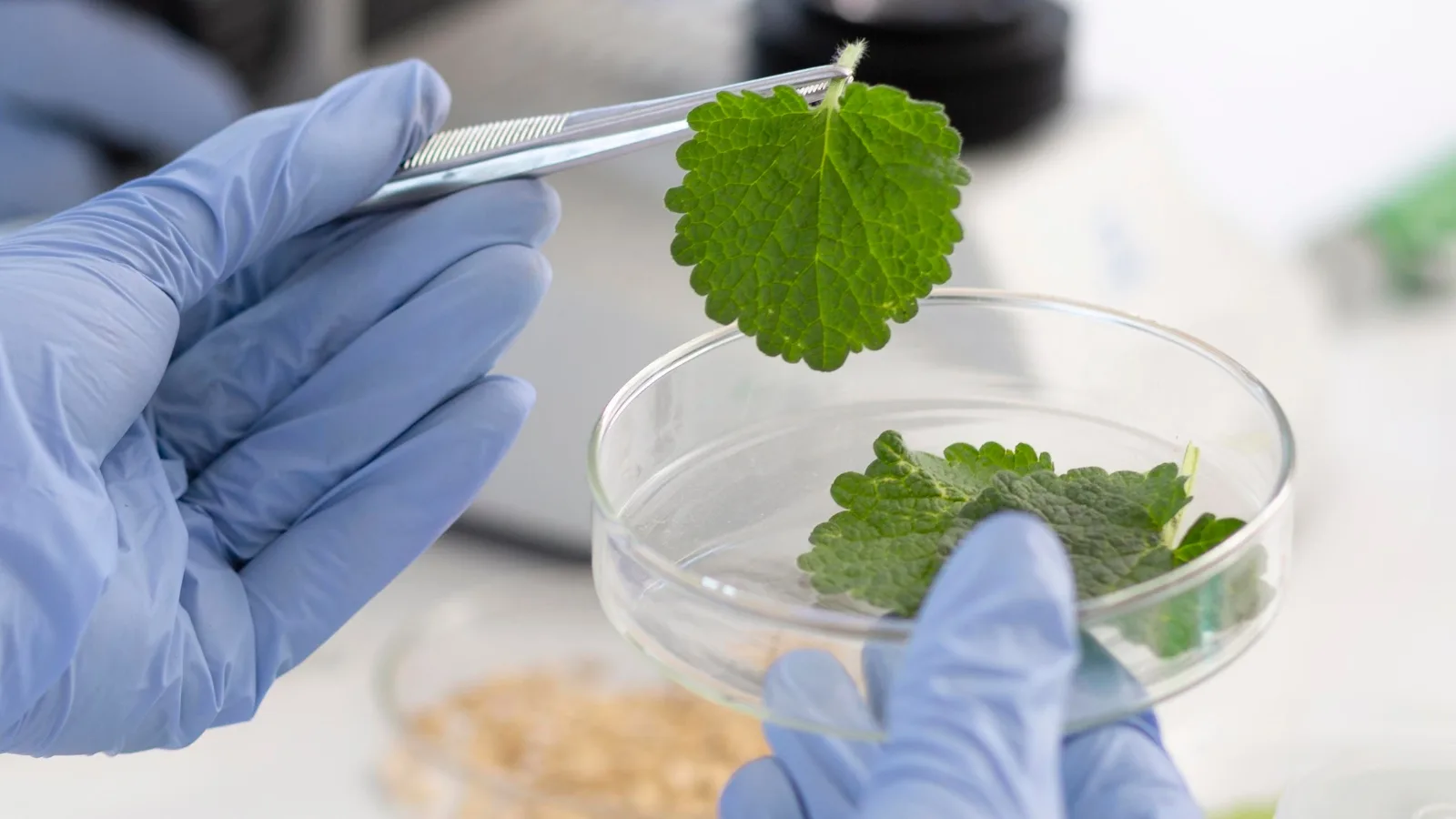
Dynamic Organic Crop Nutrition Guided by Sap & Tissue Feedback
We use plant sap analysis and tissue testing as live feedback loops to fine-tune organic nutrient supply, prevent hidden deficiencies, and support crop metabolism and yield within organic certification constraints.
- Phosphorus uptake ↑ +22 % in organic systems using compliant chelates
- Nutrient use efficiency ↑ +18 % via targeted correction of sap and tissue imbalances
- Higher resilience and more consistent performance under variable weather and soil conditions
| Feedback Tool | Field Response |
|---|---|
| Sap K:Ca ratio optimisation | Brix +13 % and stronger fruit quality |
| Tissue P trend tracking | Phosphorus uptake +22 % in organic crops |
| Nitrate curve monitoring over time | Growth uniformity +18 % and steadier vegetative balance |
| Outcomes depend on sampling protocol, lab data quality, and the speed and precision of input adjustments within approved organic nutrient programs. | |
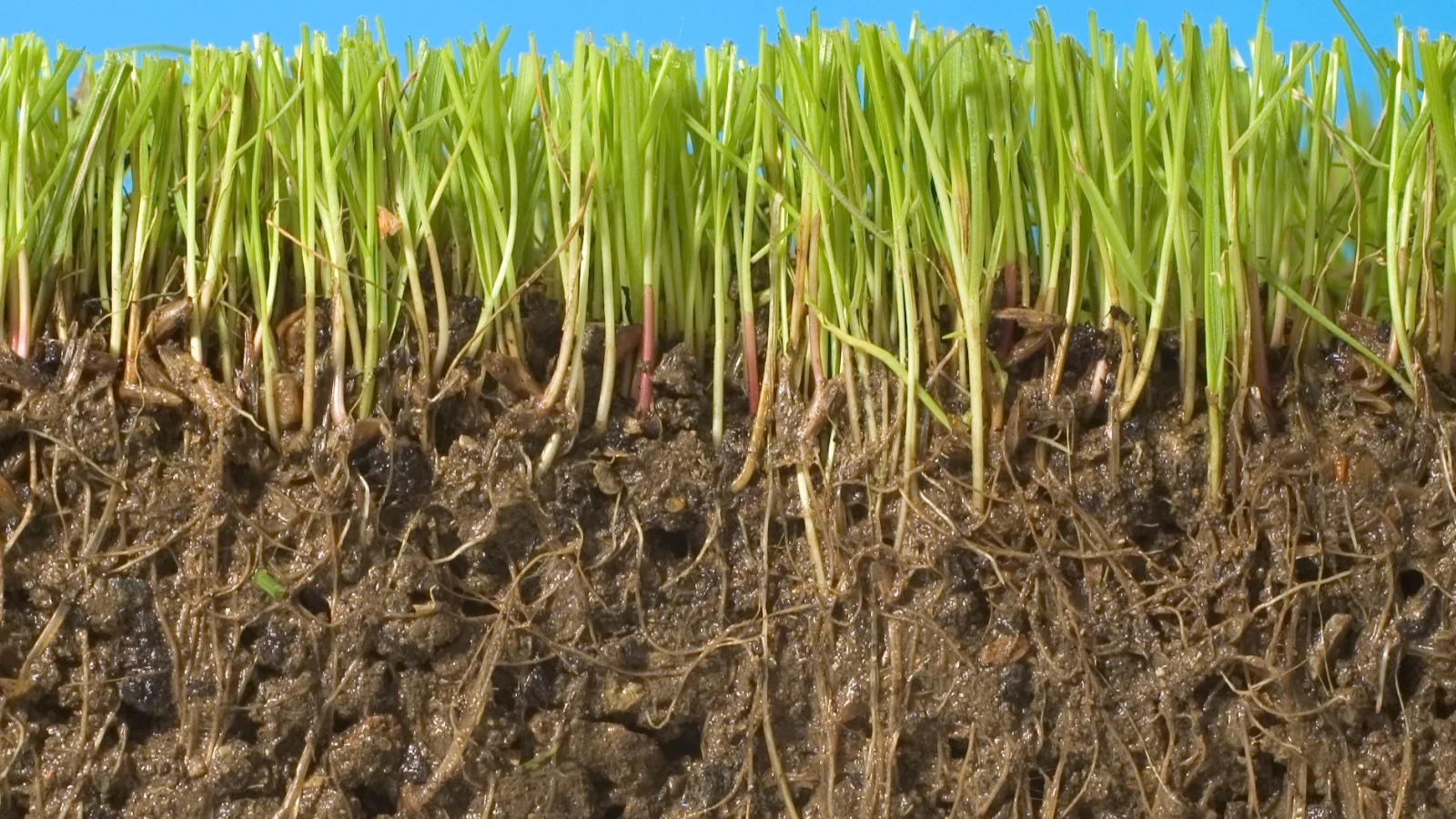
Soil Health as Infrastructure: Building Functional Organic Ground Layers
Treating soil as infrastructure. Not input sink. We help farms restructure their living soil layers to support higher yields and long-term audit integrity.
- Water infiltration ↑ +35 % on treated beds
- Compaction layers ↓ –28 % via targeted aeration
- CEC boost of +19 % with mineral amendments
| Soil Intervention | Measured Effect |
|---|---|
| Subsurface calcium blend | CEC ↑ +19 % |
| Aeration pass with microbial priming | Compaction ↓ –28 % |
| Cover crop rotation | Infiltration ↑ +35 % |
| Results reflect trends observed in organically managed horticultural systems. Outcomes may vary depending on soil type, climate, and amendment protocol. | |
Part of a Broader Sustainability Strategy
Our organic farming approach is one element of our full sustainable agriculture consulting service. Learn how we integrate compliance, biodiversity, and technology to support resilient systems.
View Full FrameworkOrganic Farming Consulting Services for Field-Tested, On-Farm Results
Sustainable Growth. Real-World Results.
At Cultiva EcoSolutions, an organic and sustainable agriculture consulting company, our organic farming consultants bring deep practical know-how to your field. We work side by side with growers through organic farming consulting services that apply effective methods and improve crop results while cutting unnecessary costs. Each plan supports your specific conditions, helping you build a healthier, more productive farm.
Request Consultation — connect with our organic farming consultants for tailored, cost-effective solutions based on field experience-
Organic Certification Consulting & Guidance
Objective & Challenges
-
Objective: To provide organic certification consulting that guides you through every requirement and step, ensuring a smooth, compliant certification journey.
-
Common Challenges:
-
Conflicting or unclear certification rules.
-
Time-consuming documentation.
-
Risk of penalties due to non-compliance.
-
Our Approach & Methodology
-
Needs Analysis & Gap Identification: Cultiva EcoSolutions evaluates your current practices and pinpoints key organic certification gaps against EU and national organic regulations.
-
Clear Documentation Roadmap: Our team provides step-by-step documentation guidance for organic certification bodies and buyers, saving you from guesswork.
-
Corrective Action Support: We craft tailored action plans to resolve issues identified in the pre-audit phase.
-
Ongoing Compliance Monitoring: Regular check-ins help keep you aligned with changing standards and regulations.
Expected Results
-
A swift, confident organic certification process and a stronger compliance position.
-
Streamlined record-keeping and operational clarity.
-
Reduced risk of audit failures or costly corrections.
-
Enhanced brand reputation in the organic marketplace.
-
-
Integrated Pest Management (IPM) Consulting for Organic Farming Systems
Objective & Challenges
-
Objective: To design integrated pest management strategies for organic farming systems that reduce or eliminate synthetic chemicals while keeping crops compliant and productive.
-
Common Challenges:
-
Infestations that threaten yield.
-
Limited knowledge of biological controls.
-
Balancing pest pressure with organic regulations and retailer residue requirements.
-
Our Approach & Methodology
-
Comprehensive Pest Assessment: Cultiva EcoSolutions analyzes pest cycles, disease history, microclimate and crop conditions in your organic production blocks.
-
Customized IPM Blueprint: Tailored integrated pest management strategies, including beneficial insects, biological control agents, cultural practices, and eco-safe treatments adapted to your crops and climate.
-
Staff Training & Implementation: On-site or virtual coaching for your team on scouting protocols, thresholds, correct application methods and monitoring in organic IPM programs.
-
Progress Tracking & Refinement: Regular data reviews to adjust strategies and maintain optimal control levels.
Expected Results
-
Measurably lower pest and disease incidence in organic crops.
-
Reduced reliance on synthetic pesticides and emergency chemical interventions.
-
Enhanced crop quality, yield stability and fewer rejected lots.
-
Stronger ecosystem resilience on your farm over multiple seasons.
-
-
Soil Health and Fertility Management
Objective & Challenges
-
Objective: To build robust soil ecosystems that naturally support plant growth.
-
Common Challenges:
-
Nutrient imbalances or deficiencies.
-
Overreliance on synthetic fertilizers.
-
Compacted or low-organic-matter soils.
-
Our Approach & Methodology
-
Soil Testing & Diagnostics: We start with thorough soil analyses to identify specific deficiencies.
-
Fertility Enhancement Strategy: Recommendations for compost, cover crops, and organic amendments tailored to your needs.
-
Crop Rotation and Soil Microbe Support: We offer clear advice on how to rotate crops and use natural inputs that support healthy soil microbes.
-
Monitoring & Continuous Improvement: Periodic soil evaluations ensure ongoing fertility and balanced nutrient levels.
Expected Results
-
Healthier, more productive soils with balanced nutrients.
-
Lower long-term input costs.
-
Enhanced plant resilience against pests and diseases.
Steady improvement in overall yield and farm sustainability.
Wondering how to build healthier soils and reduce your reliance on external inputs? Explore our crop nutrition and soil fertility consulting services , designed to help you develop balanced fertility strategies that support stronger crops and long-term productivity.
-
-
Crop Planning and Optimization for Organic Farming Systems
Objective & Challenges
-
Objective: To help you align your crop mix with your climate, organic farming system, market needs, and long-term soil health and profitability.
-
Common Challenges:
-
Selecting inappropriate varieties.
-
Inadequate rotation leading to pest buildup.
-
Overlooking synergy among different crops.
-
Our Approach & Methodology
-
Climate & Soil Assessment: We evaluate local climate, soils, and existing rotations to recommend ideal crop families for your organic production system.
-
Rotation & Intercropping Design: Strategies for nutrient cycling, soil fertility improvement, and reduced pest and disease pressure.
-
Resource Allocation Planning: Guidance on labor, irrigation schedules, and organic input management for each crop.
-
Periodic Review & Adjustments: Seasonal evaluations to refine cropping strategies based on yield data and market feedback.
Expected Results
-
Balanced crop rotation that supports soil fertility and biological activity.
-
Enhanced yield stability and operational efficiency.
-
Reduced pest and weed pressure through diverse plantings.
-
Better alignment of supply with organic market demand and buyer expectations.
-
-
Hydroponic and Greenhouse Organic Cultivation Consulting
Objective & Challenges
-
Objective: To help organic growers design, implement, and optimize eco-friendly hydroponic and greenhouse cultivation systems that meet EU and international organic standards.
-
Common Challenges:
-
Balancing organic nutrient solutions and fertigation in recirculating hydroponic systems without synthetic inputs.
-
Controlling pests and diseases in enclosed, controlled-environment greenhouses and tunnels.
-
Efficient water and energy management.
-
Our Approach & Methodology
-
System Review & Feasibility:
-
We assess current hydroponic systems (e.g. NFT, drip, substrate) and greenhouse infrastructure to confirm feasibility and adherence to organic principles.
-
-
Customized Nutrient Management:
-
Solutions using natural inputs and organic nutrient formulations, including fertigation schedules, pH targets, and EC ranges for balanced plant growth.
-
-
Integrated Pest Prevention:
-
Guidance on sanitation, beneficial insects and other biocontrols, ventilation, and environmental controls as part of an integrated pest management (IPM) strategy.
-
-
Monitoring & Optimization: Data-driven adjustments using climate, irrigation, and sensor data to maintain ideal growth conditions, resource efficiency, and traceability.
Expected Results
-
Year-round production in controlled environments with minimal environmental impact.
-
Stable output quality that consistently meets organic standards and buyer specifications.
-
Reduced utility expenses through efficient water, energy, and heating/cooling usage.
Lower disease and pest incidence in enclosed systems through preventive IPM, hygiene, and environmental control.
-
Ecological Sustainability Consulting
Objective & Challenges
Objective: To transform your farm into a model of ecological resilience and responsible resource use through practical sustainable agriculture consulting.
Common Challenges:
High waste generation and inefficient energy use.
Lack of clear sustainability metrics.
Limited knowledge of biodiversity-friendly designs.
Our Approach & Methodology
Sustainability Audit: We evaluate current operations against best practices for waste, water, and energy usage.
Resource Efficiency Roadmap: Customized strategies for zero-waste systems and improved resource utilization.
Biodiversity & Habitat Enhancement: Integration of agroforestry, permaculture concepts, or buffer zones to boost ecosystem services.
Ongoing Performance Tracking: Regular follow-ups to measure improvements and adjust tactics for maximum impact.
Expected Results
Noticeable reduction in operational waste and costs.
Improved brand image as an eco-friendly operation.
Measurable boost in local biodiversity and soil health.
Long-term resilience and reduced regulatory risks.
Ready to take sustainability further and build long-term resilience into your farm?Explore our regenerative agriculture consulting services, designed to help you move beyond compliance toward healthier soils, more diverse crops, and a stronger production system.
Disease and Mold Management in Organic Systems
Objective & Challenges
Objective: To safeguard crops from mold and diseases while respecting organic compliance.
Common Challenges:
Persistent fungal infections like powdery mildew or botrytis.
High-humidity conditions promoting mold.
Limited effective organic fungicide options.
Our Approach & Methodology
Pathogen Assessment & Diagnosis: We identify specific strains and root causes of infection.
Preventive Environmental Controls: Guidance on ventilation, humidity management, and strategic canopy design.
Targeted Biological Solutions: Recommendations for eco-friendly treatments and beneficial microbes.
Monitoring & Adaptive Strategies: Ongoing observation to refine tactics and respond quickly to new threats.
Expected Results
Significantly reduced incidence of fungal diseases.
Consistent crop quality and minimized financial losses.
Improved worker safety due to non-toxic treatments.
Long-term disease control through targeted prevention measures.
Looking for broader pest prevention strategies that align with organic standards?Explore our integrated pest management (IPM) consulting services, designed to reduce pest pressure, improve ecosystem balance, and minimize input dependency.
Farm Layout and Operational Efficiency
Objective & Challenges
Objective: To maximize output and workflow efficiency through informed spatial and process planning.
Common Challenges:
Ineffective use of space causing congestion or wasted resources.
Logistical inefficiencies raising labor costs.
Difficulty integrating organic processes seamlessly.
Our Approach & Methodology
Needs & Workflow Analysis: We gather insights on your daily processes to identify bottlenecks.
Spatial Strategy & Best-Practice Guidelines: Expert recommendations for optimal zoning and functional layouts.
Resource Flow Optimization: Advice on placement of irrigation systems, pathways, and storage for smoother operations.
Periodic Assessment & Fine-Tuning: Regular check-ins to measure improvements and adapt strategies as operations evolve.
Expected Results
Streamlined operations and reduced labor costs.
Better allocation of equipment and resources.
Increased staff productivity due to improved workflow.
A cohesive, scalable layout adaptable to future growth.
Interested in farm layout design that boosts efficiency and ecological function?Explore our permaculture consulting services, where workflow meets biodiversity and smart land use.
Data-Driven Farming and Technology Integration
Objective & Challenges
Objective: To enable smarter, data-informed decisions for higher productivity and sustainability in organic systems.
Common Challenges:
Lack of clarity on which technologies to adopt.
Difficulty interpreting and acting on farm data.
Ensuring tech solutions align with organic requirements.
Our Approach & Methodology
Technology Needs Evaluation: We assess your goals to recommend suitable precision tools and software.
Customized Implementation Plan: Guidance on deployment, integration, and staff training.
Data Collection & Analysis Framework: Processes for gathering and interpreting critical metrics like soil moisture or pest activity.
Review & Continuous Improvement: Ongoing monitoring to refine system performance and ensure ROI.
Expected Results
Optimized input usage (water, fertilizers, pest controls).
Accurate, real-time insights to inform management decisions.
Simplified compliance tracking through digital record-keeping.
Long-term operational efficiency and profitability.
Curious how technology can improve your organic farming systems?Discover our AgTech consulting services, designed to help you optimize operations, increase traceability, and leverage data-driven insights for better results.
Engagement Options for Organic Farming Consulting Services
Lorem Ipsum. Dolor Sit Amet.
Choose the level of support you need—from rapid diagnostics to long-term advisory. Each option below lists scope, typical duration, and the best-fit use case.
Lorem ipsum dolorBuilt for Real-World Farming Success
Practical Guidance. Measurable Results.
At Cultiva EcoSolutions, we don’t use guesswork or one-size-fits-all plans. Our advice is based on real farm data and hands-on experience. We create clear strategies for seasonal crops, specialty plants, and more. Our goal is to simplify your work, solve key problems, and keep your farm productive and profitable every year.
Learn More About Us — discover our background in practical agriculture, crop consulting, and problem-solving strategies for real-world farmingOrganic Farming Specialists Solving Real Farm Challenges
Proven Expertise in Organic Crop Production
We work with fruit, vegetables, herbs, and specialty crops. Your solutions come from real results in the field, not just ideas on paper.
Fast, Practical Help for Common Farm Issues
We spot problems early, from soil health to pest pressure, and provide eco-friendly steps to keep your crops growing strong.
Built for Your Local Conditions
From tough soil to changing weather, our programs fit your farm’s environment. We focus on what works where you are, not on one-size-fits-all ideas.

Improve Organic Yields. Your First Consultation Comes at No Cost.
Every organic farm faces different challenges. At Cultiva EcoSolutions, our consultants take the time to understand your conditions, crops, and goals. That is why your first consultation is free, giving you a risk-free way to explore what we can improve together.
Our organic farming consulting covers crop planning, soil health, integrated pest management (IPM), and controlled environment agriculture (CEA). With expert guidance, ongoing support, and practical tools, we help you get better results and run your farm with confidence.
Contact UsOrganic Farming Consulting FAQs for Practical Support
Find clear answers to common questions about our organic farming consulting services. This section explains how we help growers improve crops, reduce input costs, and manage challenges in the field. Whether you run a small farm or a larger operation, you’ll find useful details here. Still have questions? Contact us and we’ll be glad to assist you.
Clear Answers. Real Support.
Contact Us — get expert support and field-tested solutions for your organic farming challengesCultiva EcoSolutions supports organic farming consulting for vegetables (leafy greens, brassicas, solanaceous crops), culinary herbs, berries, orchard crops, and ornamental/cut-flower production. Our organic farming consultants work with open-field and protected cultivation (soil-based greenhouses, high tunnels), raised beds, and perennial/orchard systems, including rotation and cover-crop planning aligned with organic rules. If soilless methods are considered, we first confirm what your target scheme and certification body/control body permits, then recommend a compliant path (or alternatives) for your market.
Our organic farming advisory starts with a practical baseline: field history (including prohibited-input risk), drift/contamination pathways, soil health diagnostics, water quality/availability, climate stress, pest/disease pressure, and your labor, infrastructure, and budget realities—plus your target certification and market. You then receive a prioritized implementation roadmap (what to change first, why, and how), a seasonal operations calendar, and a simple KPI scorecard (e.g., input costs, quality losses, compliance risk, pest pressure, soil indicators) to keep actions measurable and executable.
Yes. We prepare your operation for certification and inspections under your chosen scheme (e.g., EU Organic Regulation (EU) 2018/848, USDA National Organic Program (NOP), and other market-aligned frameworks). Our organic farming consulting support typically includes a gap assessment, an Organic System Plan (OSP)/Organic Management Plan workflow, buffer and contamination-prevention setup, input compliance verification (proofs, labels/specs), and audit-ready recordkeeping templates (field histories, activity logs, cleaning/sanitation, and sales evidence). We coordinate with your accredited certification body/control body, train staff, and can run a mock inspection to reduce audit surprises.
We apply an organic-compliant IPM approach: prevention first (monitoring/scouting, hygiene and sanitation, rotation strategy, resistant cultivars, habitat support for beneficials), then targeted interventions when thresholds are reached, including biological controls and other options permitted under your certification rules. We document scouting results, decisions, and any applications in an inspection-friendly way to minimize residue and audit risk while protecting yield. When a farm needs a full IPM program build-out, we scope that as a dedicated engagement so this organic page stays focused on organic compliance and outcomes.
Yes. Many clients keep our organic farming advisors involved through seasonal or annual support: scheduled check-ins (virtual or on-site), decision support during key crop stages, and fast troubleshooting when issues arise. Ongoing support commonly includes plan updates, pre-inspection record reviews, and KPI tracking so your organic system becomes more resilient and profitable over time.
Investment depends on scope (e.g., audit-readiness sprint vs. seasonal implementation), farm complexity, and support cadence. We provide transparent pricing and define success metrics upfront. ROI is estimated using a baseline-and-scenarios model based on your operation—typically combining fewer preventable losses (pests, disease, quality downgrades), more efficient organic inputs and labor planning, improved yield stability, reduced compliance risk, and access to premium channels—without promising outcomes we can’t control.
Yes—we support organic transition planning from day one: reviewing prior inputs and contamination risks, setting a compliant fertility and crop-protection strategy, and building inspection-ready documentation. Conversion timelines vary by standard, crop type, and land history; many programs require a multi-season period without prohibited substances (often around 24–36 months). We map the fastest compliant route for your target market, including transition crop choices, operational milestones, and a step-by-step plan to your first inspection.
Most inspections focus on whether your practices match your OSP/organic plan and whether your records prove it. We help implement lightweight, audit-ready logs such as field histories and maps (including buffer zones), seed/planting material proofs, input purchase-and-approval files (labels/specs/invoices), compost/manure records, pest monitoring and intervention logs, cleaning/sanitation routines, and harvest plus sales records using lot/batch IDs (and mass-balance evidence when required). The goal is a simple system your team can update weekly—so audits become predictable and low-stress.
Still have questions about improving your organic farming methods? Visit our FAQ page for expert guidance on soil improvement, sustainable resource use, crop vitality, and more.
View More FAQs — explore answers related to crop consulting, sustainability, compliance, farm operations, and moreGrow Organically. Achieve Certification. Thrive Sustainably.
Expert Organic Farming Consulting to Boost Soil Health and Maximize Yields
Struggling with compliance or crop performance? Share your details, and we’ll help you cultivate a thriving organic farm.